Kennisbank
Hoe lang zijn ongeplakte stickers houdbaar?
Ongeplakte stickers kun je niet onbeperkt bewaren. Als richtlijn adviseren we om stickers op schutvel binnen ongeveer 2 jaar na productie te gebruiken. Stickers met applicatiefolie, zoals plakletters of grotere transferstickers, kun je beter veel sneller aanbrengen: bij voorkeur binnen 3 maanden na levering.
 De houdbaarheid van stickers hangt af van lijm, materiaal, schutvel, temperatuur, vocht en hoe de stickers worden opgeslagen.
Kort antwoord
De houdbaarheid van stickers hangt af van lijm, materiaal, schutvel, temperatuur, vocht en hoe de stickers worden opgeslagen.
Kort antwoord
Hoe lang kun je stickers bewaren voordat je ze plakt?
Stickers op schutvel blijven meestal tot ongeveer 2 jaar goed bruikbaar wanneer je ze droog, schoon, vlak en op kamertemperatuur bewaart. Daarna kan de lijmlaag geleidelijk minder krachtig worden. Stickers die al zijn aangebracht op een ondergrond hebben een andere levensduur en kunnen vaak veel langer meegaan, afhankelijk van materiaal, toepassing en omstandigheden.
Op schutvel: circa 2 jaar
De lijmlaag veroudert ook als de sticker nog niet geplakt is. Na lange opslag kan de hechting afnemen of kan het schutvel minder prettig loskomen.
Met applicatiefolie: sneller plakken
Bij plakletters, snijvinyl en transferstickers kan applicatiefolie sneller verouderen. Breng deze bij voorkeur binnen 3 maanden aan.
Aangebracht is anders
Een sticker die goed is aangebracht op een geschikte ondergrond kan veel langer meegaan dan een sticker die ongebruikt blijft liggen.
Richtlijnen
Houdbaarheid per situatie
| Situatie |
Praktische richtlijn |
Waar moet je op letten? |
| Stickers los of op vel, nog niet geplakt |
Gebruik bij voorkeur binnen circa 2 jaar |
Droog, vlak en schoon bewaren. Vermijd warmte, vocht en direct zonlicht. |
| Stickers op rol |
Gebruik bij voorkeur binnen circa 2 jaar |
Bewaar rollen recht, schoon en niet te warm. Laat rollen acclimatiseren voor gebruik. |
| Plakletters, snijvinyl of transferstickers met applicatiefolie |
Bij voorkeur binnen 3 maanden aanbrengen |
Applicatiefolie kan spanning verliezen of juist sterker hechten dan gewenst. |
| Stickers die al geplakt zijn |
Afhankelijk van materiaal en toepassing vaak veel langer |
Ondergrond, montage, weer, UV, reiniging en mechanische belasting bepalen de levensduur. |
| Stickers voor buitengebruik |
Niet te lang bewaren voor montage |
Professionele buitenstickers presteren het best wanneer de lijm vers en goed opgeslagen is. |
| Oude stickers uit voorraad |
Eerst testen op een klein stuk |
Controleer of de sticker goed loskomt, niet krult en voldoende hecht. |
Waarom veroudert stickerlijm?
De lijmlaag blijft niet eindeloos actief
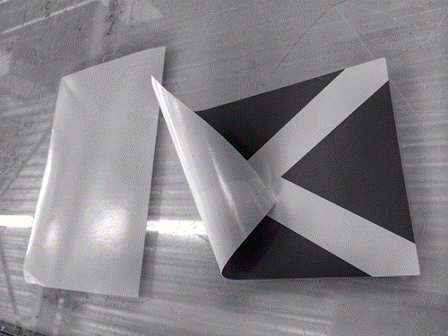
Een sticker bestaat uit meer dan alleen folie of papier. De lijmlaag, het schutvel en soms de applicatiefolie moeten allemaal goed blijven functioneren. Door tijd, warmte, vocht of verkeerde opslag kan de lijm minder goed vloeien op de ondergrond. Daardoor kan een oude sticker minder goed hechten of sneller loslaten.
- Warmte kan lijm en schutvel sneller laten verouderen.
- Vocht kan invloed hebben op papier, backing en kleefkracht.
- Direct zonlicht en UV kunnen materiaal en lijm aantasten.
- Lang opgerold bewaren kan krulspanning veroorzaken.
Zo bewaar je stickers goed
Checklist voor het bewaren van ongeplakte stickers
1. Droog en schoon
Bewaar stickers in een droge ruimte, weg van vocht, stof en vuil. Laat de lijmlaag en het schutvel schoon blijven.
2. Vlak en ontspannen
Leg vellen bij voorkeur vlak. Rollen bewaar je netjes, zonder knikken of te veel druk op de randen.
3. Constante temperatuur
Bewaar stickers binnen, op een stabiele kamertemperatuur. Vermijd zolders, auto's, vochtige schuren en direct zonlicht.
Tip: laat stickers na koude of warme opslag eerst acclimatiseren voordat je ze plakt. Een koude sticker op een koude ondergrond hecht meestal minder goed.
Applicatiefolie
Waarom moeten stickers met applicatiefolie sneller worden geplakt?
Bij plakletters, snijvinyl en sommige grotere stickers wordt applicatiefolie gebruikt om het ontwerp in een keer over te brengen. Die applicatiefolie is tijdelijk bedoeld. Als je deze te lang laat zitten, kan de folie minder goed werken of juist te stevig aan de sticker blijven hangen. Wrijf de applicatiefolie altijd opnieuw strak aan voordat je gaat monteren.
- Plakletters en transferstickers bij voorkeur binnen 3 maanden aanbrengen.
- Bewaar ze vlak, droog en niet in direct zonlicht.
- Wrijf de applicatiefolie opnieuw aan voor montage.
- Test bij oudere stickers eerst een klein deel voordat je alles monteert.
Keuzemoment
Wanneer bestel je beter opnieuw?
Soms is opnieuw bestellen verstandiger dan oude stickers alsnog gebruiken. Zeker bij zakelijke toepassingen, productlabels, veiligheidsinformatie, buitengebruik of deadlines wil je niet riskeren dat stickers slecht hechten.
Bij belangrijke projecten
Voor beurzen, campagnes, verpakkingen of klantprojecten is een verse productie vaak veiliger dan oude voorraad gebruiken.
Bij twijfel over hechting
Laat een oude sticker los van het schutvel en test op een vergelijkbare ondergrond. Twijfel je? Bestel liever opnieuw.
Bij andere toepassing
Een sticker die ooit voor binnen is besteld, is niet automatisch geschikt voor buiten, vloer, raam of voertuig.
Dr.Sticker helpt
Welke sticker past bij je planning en toepassing?
Bestel je stickers voor voorraad, terugkerende labels of een project met latere montage? Dan is materiaalkeuze belangrijk. Voor productlabels op rol, tijdelijke acties, buitenstickers of stickers met applicatiefolie gelden andere praktische aandachtspunten. Dr.Sticker helpt je kiezen tussen direct online bestellen, bestandscontrole of een offerte voor maatwerk.
FAQ
Veelgestelde vragen over stickers bewaren
Kun je stickers onbeperkt bewaren?
Nee. De lijmlaag veroudert ook als de sticker nog op het schutvel zit. Gebruik ongeplakte stickers bij voorkeur binnen circa 2 jaar.
Waarom plakt een oude sticker minder goed?
De lijm kan na verloop van tijd minder actief worden. Warmte, vocht, stof en verkeerd bewaren kunnen dit versnellen.
Hoe bewaar ik stickers het beste?
Bewaar stickers droog, schoon, vlak en binnen op een constante kamertemperatuur. Vermijd vocht, direct zonlicht en extreme warmte of kou.
Hoe lang blijven stickers met applicatiefolie goed?
Stickers met applicatiefolie, zoals plakletters of transferstickers, kun je het best binnen 3 maanden aanbrengen.
Zijn geplakte stickers langer houdbaar?
Ja, als ze goed zijn aangebracht op een geschikte ondergrond. De levensduur hangt dan af van materiaal, montage, weer, UV en gebruik.
Kan ik oude stickers nog gebruiken?
Soms wel. Test eerst of de sticker goed loskomt, vlak blijft en voldoende hecht op een vergelijkbare ondergrond.
Interne links
Handige vervolgstappen
Twijfel je of je oude stickers nog geschikt zijn?
Test altijd eerst op een vergelijkbare ondergrond. Voor nieuwe projecten, klantwerk of buitengebruik is opnieuw bestellen vaak de meest zekere keuze.